

Common Eye Conditions Found During a Medical Eye Exam
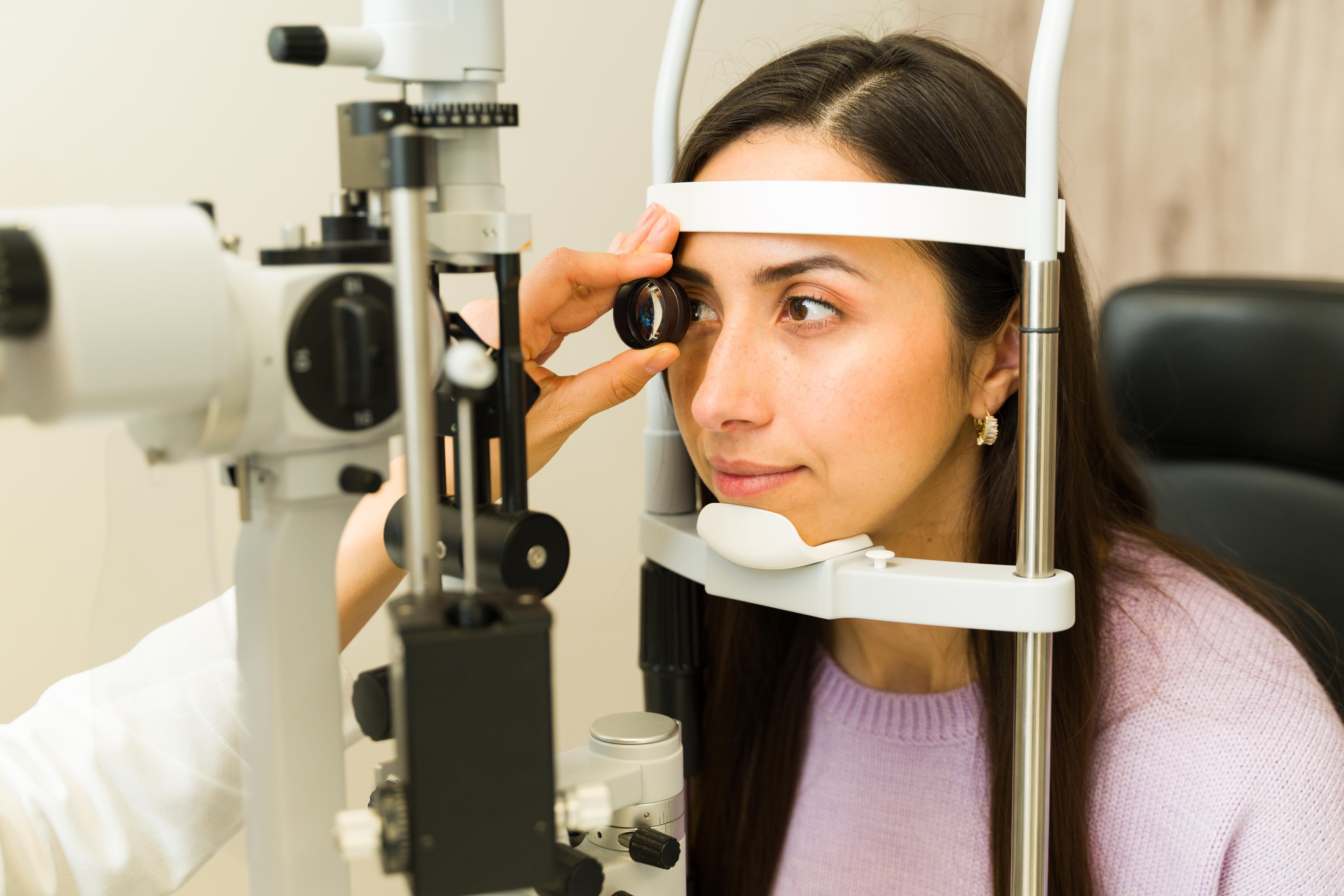
Medical eye exams are important for protecting both your vision and long-term eye health. Some eye conditions cause obvious symptoms, while others can develop quietly and may only be found during a thorough evaluation. At Casey Optical Co. in Albuquerque, medical eye exams help detect, monitor, and manage eye health concerns before they become more serious.
What Is a Medical Eye Exam?
A medical eye exam is different from a routine vision check. While a standard eye exam may focus on updating your glasses or contact lens prescription, a medical eye exam looks closely at the health of your eyes. This type of exam may be recommended if you have eye pain, sudden vision changes, redness, flashes, floaters, dry eye symptoms, or a history of eye disease.
It may also be important for patients with health conditions such as diabetes, high blood pressure, autoimmune disease, or a family history of glaucoma or macular degeneration.
Dry Eye Disease
Dry eye is one of the most common conditions found during a medical eye exam. It can cause burning, stinging, watering, blurry vision, or a gritty feeling in the eyes. Many patients are surprised to learn that watery eyes can also be a sign of dryness, especially when the tear film is unstable. A medical eye exam can help determine what type of dry eye you have and what treatment options may be best for your needs.
Glaucoma
Glaucoma is often called the “silent thief of sight” because it can develop without noticeable symptoms in the early stages. It damages the optic nerve and can lead to permanent vision loss if left untreated.
During a medical eye exam, our optometrist may check eye pressure, evaluate the optic nerve, and perform additional testing when needed. Early detection is key because glaucoma damage cannot be reversed, but it can often be managed with proper care.
Cataracts
Cataracts occur when the natural lens of the eye becomes cloudy. They are common with age and may cause blurry vision, glare, halos around lights, faded colors, or difficulty seeing at night. A medical eye exam can determine whether cataracts are affecting your vision and whether monitoring or a referral for surgery may be appropriate.
Diabetic Eye Disease
Diabetes can affect the small blood vessels in the retina, leading to diabetic retinopathy and other vision-threatening problems. In many cases, diabetic eye disease may not cause symptoms right away.
A medical eye exam may help detect signs such as:
- Leaking or damaged retinal blood vessels
- Swelling in the retina
- Changes in central vision
- Increased risk of bleeding inside the eye
- Early signs of diabetic retinopathy
Regular eye exams are especially important for protecting vision over time.
Macular Degeneration
Macular degeneration affects the central part of the retina, which is responsible for detailed vision. It can make reading, driving, and recognizing faces more difficult. While it is more common with age, early changes may be found during a medical eye exam before major vision loss occurs.
Eye Infections and Inflammation
Redness, irritation, discharge, light sensitivity, and eye pain may be signs of an infection or inflammation. Conditions such as conjunctivitis, uveitis, eyelid inflammation, and corneal irritation should be evaluated carefully. A medical eye exam helps identify the cause and guide proper treatment.
When to Schedule a Medical Eye Exam
You should schedule a medical eye exam if you notice sudden vision changes, persistent discomfort, flashes of light, new floaters, eye pain, redness, or symptoms that do not improve. Even if your vision seems clear, regular eye health evaluations can help detect hidden conditions early.
Contact Casey Optical Co. to schedule a medical eye exam and get answers about changes in your vision or eye health. Visit our office in Albuquerque, New Mexico, or call (505) 265-3828 to book an appointment today.


MAP
Powered by: 
