

Early Signs of Glaucoma You Should Never Ignore
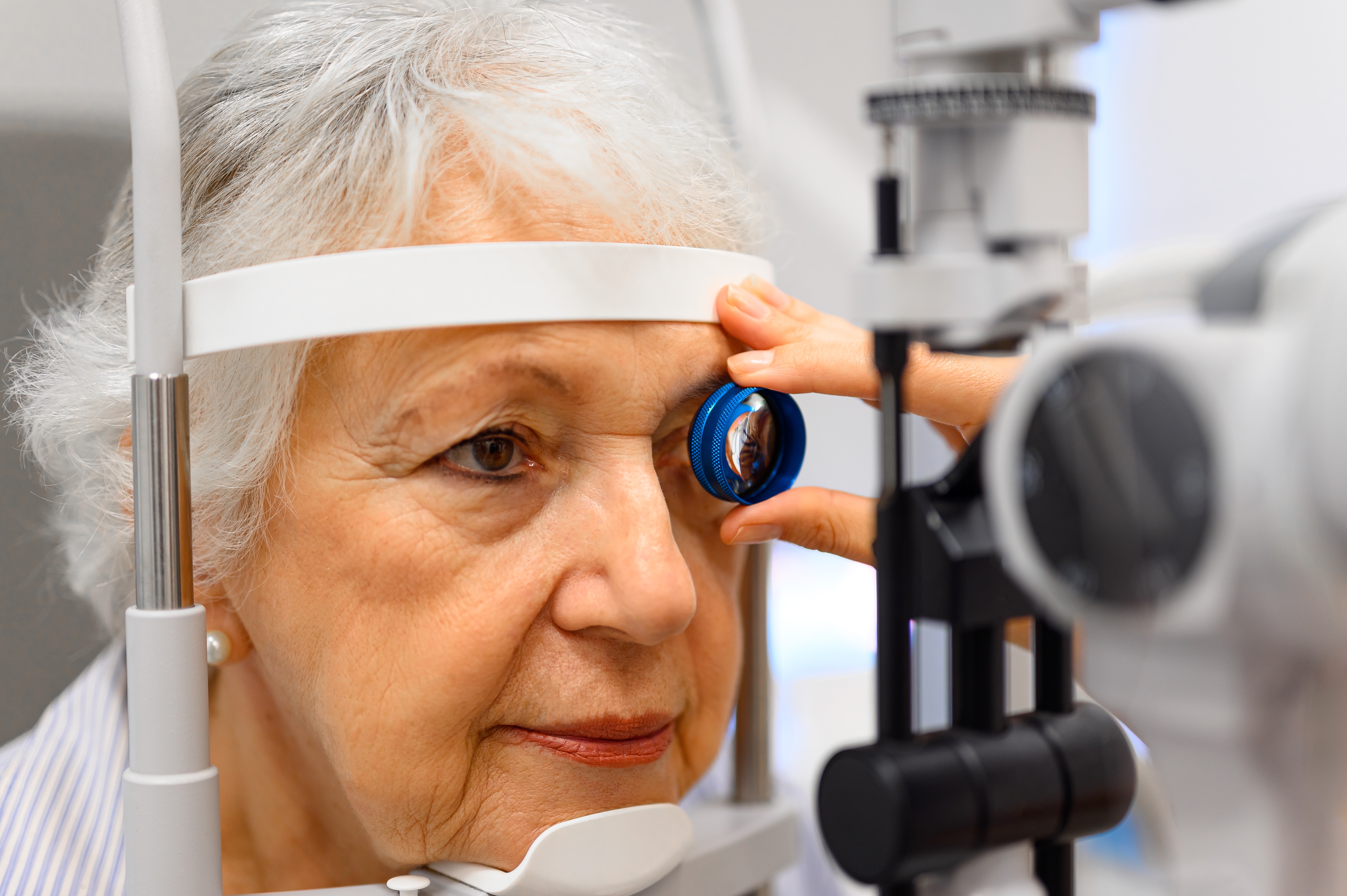
Glaucoma is often called the silent thief of sight because it can develop slowly and without obvious pain. In many cases, people do not notice a problem until vision loss has already started. Paying attention to small visual changes and scheduling regular eye exams can make a meaningful difference in protecting your sight.
What Is Glaucoma?
Glaucoma is a group of eye diseases that damage the optic nerve, which is responsible for sending visual information from the eye to the brain. This damage is often linked to increased pressure inside the eye, although glaucoma can also develop when eye pressure appears normal. Over time, optic nerve damage can affect vision permanently if it is not diagnosed and managed early.
Subtle Vision Changes Can Be Easy to Miss
One of the earliest glaucoma symptoms is gradual vision change. Many people do not notice it right away because it can begin in the peripheral vision rather than the center of sight. You may start bumping into objects, miss things off to the side, or feel like your field of view is not as wide as it used to be. Some patients also report that their vision seems less sharp in dim lighting or that everyday visual tasks feel more difficult than before.
Frequent Headaches or Eye Pressure
Not every headache is related to glaucoma, but ongoing pressure around the eyes or recurring headaches should not be ignored. Certain forms of glaucoma can increase pressure inside the eye, which may create discomfort, aching, or a heavy feeling around the brow area. If these symptoms happen along with blurred vision or eye redness, an eye exam is especially important.
Halos Around Lights and Blurred Vision
Seeing halos around lights, especially at night, can be another early warning sign. Some people also notice episodes of blurry vision that come and go. These symptoms can interfere with driving, reading, and other daily activities. Because glaucoma can affect each person differently, even mild or occasional changes are worth discussing with an eye doctor.
Warning Signs That Deserve Prompt Attention
Some glaucoma symptoms may appear gradually, while others need faster evaluation. Signs to watch for include:
• Loss of side vision
• Blurred vision that does not clear up
• Eye pain or pressure
• Halos around lights
• Red eyes with visual changes
• Frequent headaches linked to eye discomfort
These symptoms do not always mean glaucoma, but they should never be ignored.
Family History Raises Your Risk
If glaucoma runs in your family, you may have a higher risk of developing it. Age, certain medical conditions, and increased eye pressure can also raise risk. Even without symptoms, regular comprehensive eye exams are one of the best ways to detect glaucoma early. Early detection can help protect your vision and allow treatment to begin before major damage occurs.
Protect Your Vision with Early Detection
If you have noticed changes in your vision, headaches with eye pressure, or halos around lights, do not wait for symptoms to get worse. At Casey Optical Co., we offer advanced diagnostic technology, including OCT, Optomap, and electroretinography (RETeval), along with personalized care to help detect eye disease early and recommend the right next steps for your vision.
Contact Casey Optical Co. to schedule your eye exam and stay ahead of glaucoma with advanced eye care. Visit our office in Albuquerque, New Mexico, or call (505) 265-3828 to book an appointment today.


MAP
Powered by: 
