

What Is Diabetic Retinopathy? A Simple Explanation
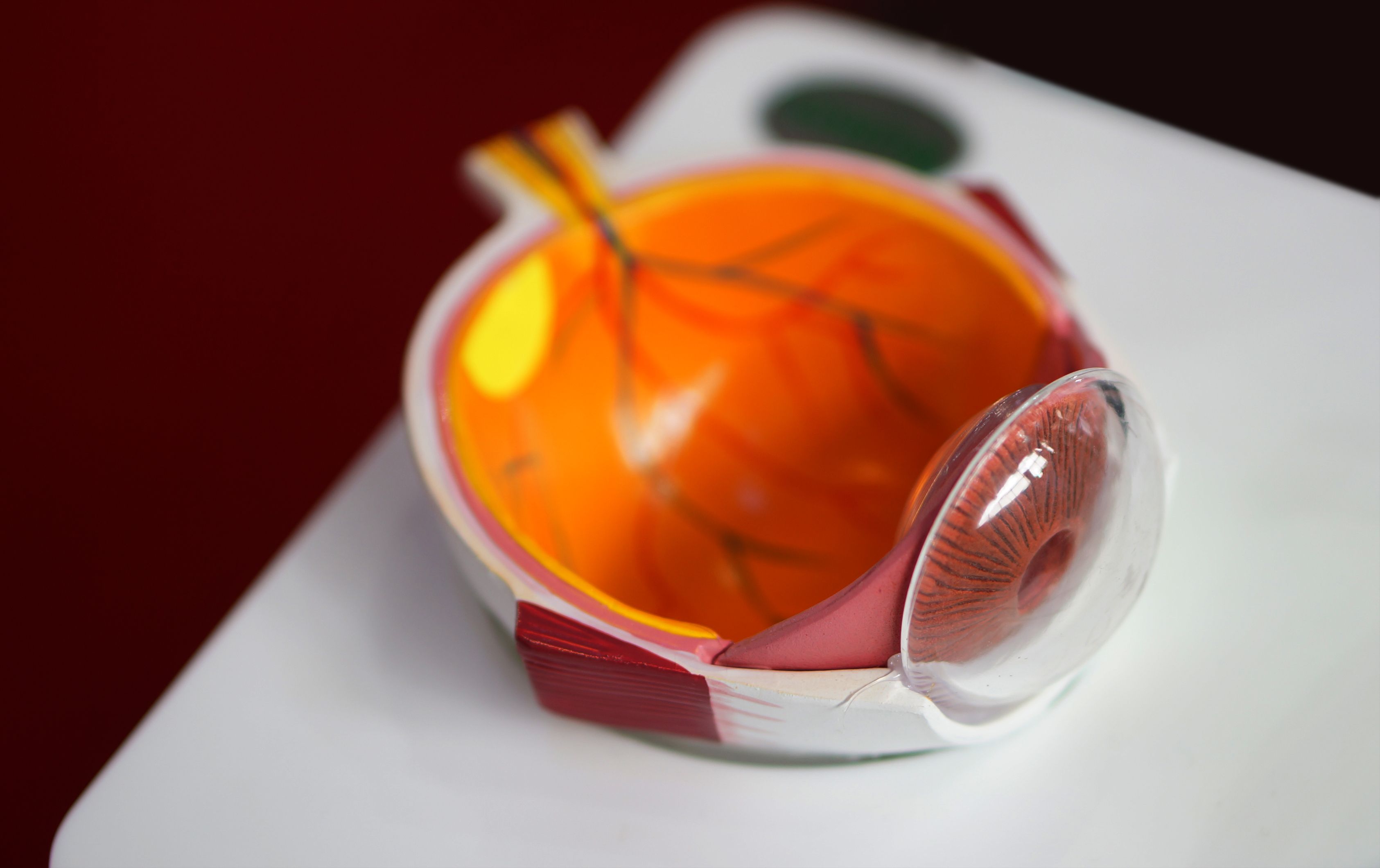
Diabetic retinopathy is one of the leading causes of vision changes in people with diabetes, yet many individuals are unaware they have it until damage has already occurred. At Casey Optical Co., we believe that education and early detection play a vital role in preserving healthy vision.
What Is Diabetic Retinopathy?
Diabetic retinopathy is an eye condition caused by diabetes. It affects the retina, the light-sensitive layer of tissue at the back of your eye that sends visual information to your brain.
When blood sugar levels stay high over time, they can damage the tiny blood vessels in the retina. These vessels may swell, leak, or close off completely. In more advanced cases, abnormal new blood vessels can grow, increasing the risk of vision loss.
Why Does Diabetes Affect the Eyes?
Diabetes impacts blood vessels throughout the body - and the eyes are no exception. The retina relies on a network of very small, delicate vessels to function properly. Elevated blood sugar can weaken these vessels, making them prone to:
• Leakage of fluid or blood
• Reduced oxygen supply to the retina
• Formation of fragile new vessels that bleed easily
Over time, these changes interfere with the retina’s ability to produce clear vision.
Stages of Diabetic Retinopathy
Diabetic retinopathy usually develops gradually and is often divided into two main stages:
• Early Stage (Nonproliferative Diabetic Retinopathy): This is the most common early stage. Blood vessels in the retina may weaken or leak small amounts of fluid. Vision may still be normal, and many people notice no symptoms at all.
• Advanced Stage (Proliferative Diabetic Retinopathy): At this stage, damaged blood vessels close off, and the retina begins growing new, abnormal vessels. These vessels can bleed into the eye, cause scar tissue, and potentially lead to serious vision loss or even blindness.
Why You Might Not Notice a Problem
One of the most concerning aspects of diabetic retinopathy is that it often has no early warning signs. When symptoms do appear, they may include:
• Blurry or fluctuating vision
• Dark spots or floaters
• Difficulty seeing at night
• Colors appearing faded
• Sudden vision loss
Because symptoms often show up late, relying on how your eyes feel is not enough.
The Importance of Diabetic Eye Exams
A diabetic eye exam allows your eye doctor to look directly at the retina and detect early changes long before you notice vision problems. With early detection, diabetic retinopathy can often be managed or slowed, helping prevent permanent vision loss.
Key benefits of regular diabetic eye exams include:
• Early identification of retinal changes
• Monitoring progression over time
• Timely referral for treatment if needed
• Peace of mind knowing your eye health is being protected
Most people with diabetes should have a dilated eye exam at least once a year, even if their vision seems fine.
Take the Next Step in Protecting Your Vision
Diabetic retinopathy is a common but serious complication of diabetes, caused by damage to the retina’s blood vessels. Because it often develops without symptoms, many people don’t realize there’s a problem until vision is affected. Regular diabetic eye exams are the most effective way to catch changes early, protect your eyesight, and stay ahead of potential complications.
If you have diabetes, schedule your diabetic eye exam at Casey Optical Co. to protect your vision at every stage of life. Contact our office in Albuquerque, New Mexico, by calling (505) 265-3828 to book an appointment today.


MAP
Powered by: 
